GLOBAL STEEL COMPANY | 24/7 AFTER SALES SUPPORT


About Us
India’s Best Tool and Die Steel Supplier & Manufacturer
Welcome to Sandeep Edgetech, a trusted manufacturer, supplier, and stockist of premium tool
steel, die steel, and mould steel in India. We deliver a broad portfolio of premium tool
steels—whether molding, machining, or pressure die-casting. With decades of experience and a
commitment to quality, we are a trusted supplier, manufacturer, distributor, and stockist of
diverse steel products. As a third-generation company, our head office in Delhi and
processing facilities in Sonipat, Mumbai, and Chennai support our nationwide sales network.
We offer a wide range of steels including tool and die steel, plastic mould steel, cold work
steel, high-speed steel, high-strength steel, and abrasion resistant steel.
At Sandeep Edgetech, we specialize in supplying high-quality tool and die steel, plastic mould steel, hot work tool steel, cold work tool steel, high speed steel, abrasion resistant steel, high strength steel, C45 grinded plates, aluminum, powder metallurgy and alloy steel solutions engineered for performance, durability, and precision.
FactsWe aim to provide you with the highest quality work
to meet your expectations
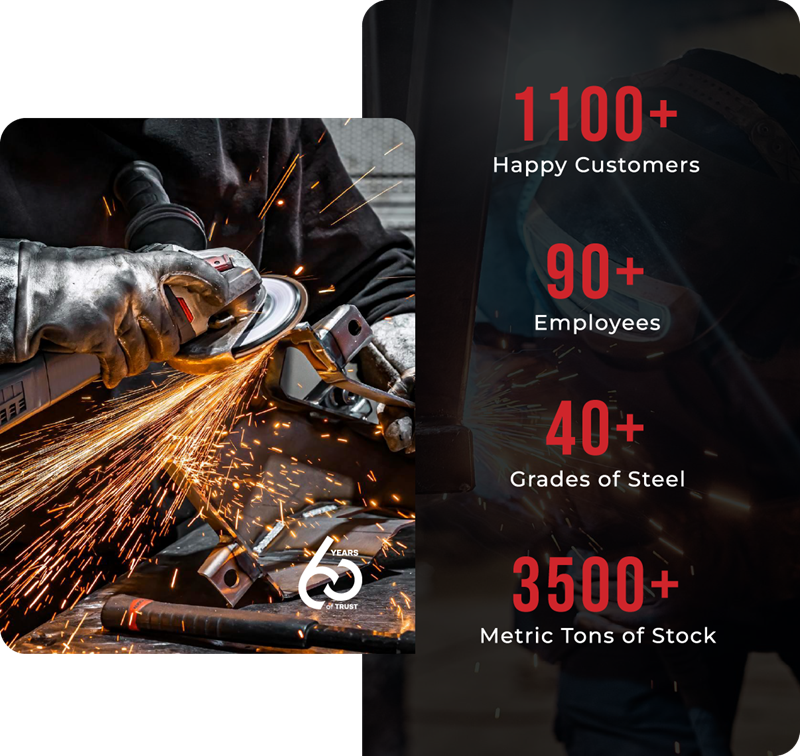
We deliver top-quality work with over 100+ years of excellence, serving 1100+ happy customers. Our 90 skilled employees provide exceptional service. Offering 40 steel grades and 3500+ metric tons of stock, we fulfill orders promptly. With state-of-theart facilities and a robust network across India, we ensure superior steel solutions. Your trusted partner in innovation and quality.
+
Our Products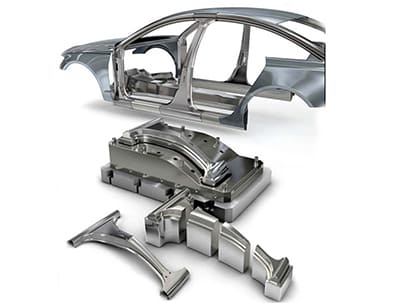
 Browse All
Products
Browse All
Products
W.NR. 1.2379|D2 SteelW.Nr. 1.2379 is commonly used for blanking dies, punches, cutting tools and other cold-work applications where wear resistance is important.
Best D2 Tool Steel Supplier
1.2379 is also known as D2 tool steel. Before selecting this grade, consider the working load, required hardness, component dimensions and expected production volume. The correct heat treatment and machining process also influence tool performance. As a leading d2 steel supplier in India, Sandeep EdgeTech supplies D2 tool steel for industrial applications. Contact the team to enquire about D2 steel availability, required sizes and material specifications for your project.
- Threading rolls and dies, cold extrusion tools, trimming, cutting and stamping tools for sheet thicknesses up to 6 mm, precision cutting tools for sheet thicknesses up to 12 mm, cold pilger mandrels, circular-shear blades, deep-drawing tools, pressure pads and highly wear-resistant plastic moulds.
W.NR. 1.2581|H21 Steel
W.NR. 1.2581/H21 tool steel is recognized for its exceptional hot hardness, excellent temper resistance, superior wear resistance, and high toughness. These properties make it an excellent choice for forging dies, extrusion tools, pressure die casting components, hot punches, and hot cutting tools where dimensional stability and long service life are critical.
Sandeep Edgetech is a trusted manufacturer, supplier, stockist, and distributor of W.NR. 1.2581 (AISI H21) Hot Work Tool Steel in India. This tungsten-chromium-vanadium alloy steel is specifically engineered for tooling applications that operate under extreme heat, heavy mechanical loads, and continuous thermal cycling.
Characteristics
Tungsten-chromevanadium steel for hardening in oil and possibly in air with very good hardenability, very high firmness during the heat and resistance to the tempering, high resistance to the hot tempering and good toughness. Further the steel has a lower resistance to tearing of thermal fatigue and higher sensitivity to quick changes of temperature. The steel is not appropriate for tools cooled by water. It is well-workable during the heat and well-workable in the soft-annealed state.
Suitability
For tools for hot mechanical working such as highly stressed small pressing dies and die inserts especially for die forging of accurate products from the difficult-workable steels and copper alloys, thorns and jaws for forging presses, forgings for swaging, tools for production of rivets, nuts and screws, small extrusion dies (matrixes), thorns, pressing discs for extrusion of alloys of non-ferrous metals. Further the firm and movable parts of molds, core and other small and highly stressed parts of molds for pressure casting of copper alloys can be made from steel. Tools for hot cutting such as highly stressed small shear blades, punching dies, small trimming dies.
Our Capabilities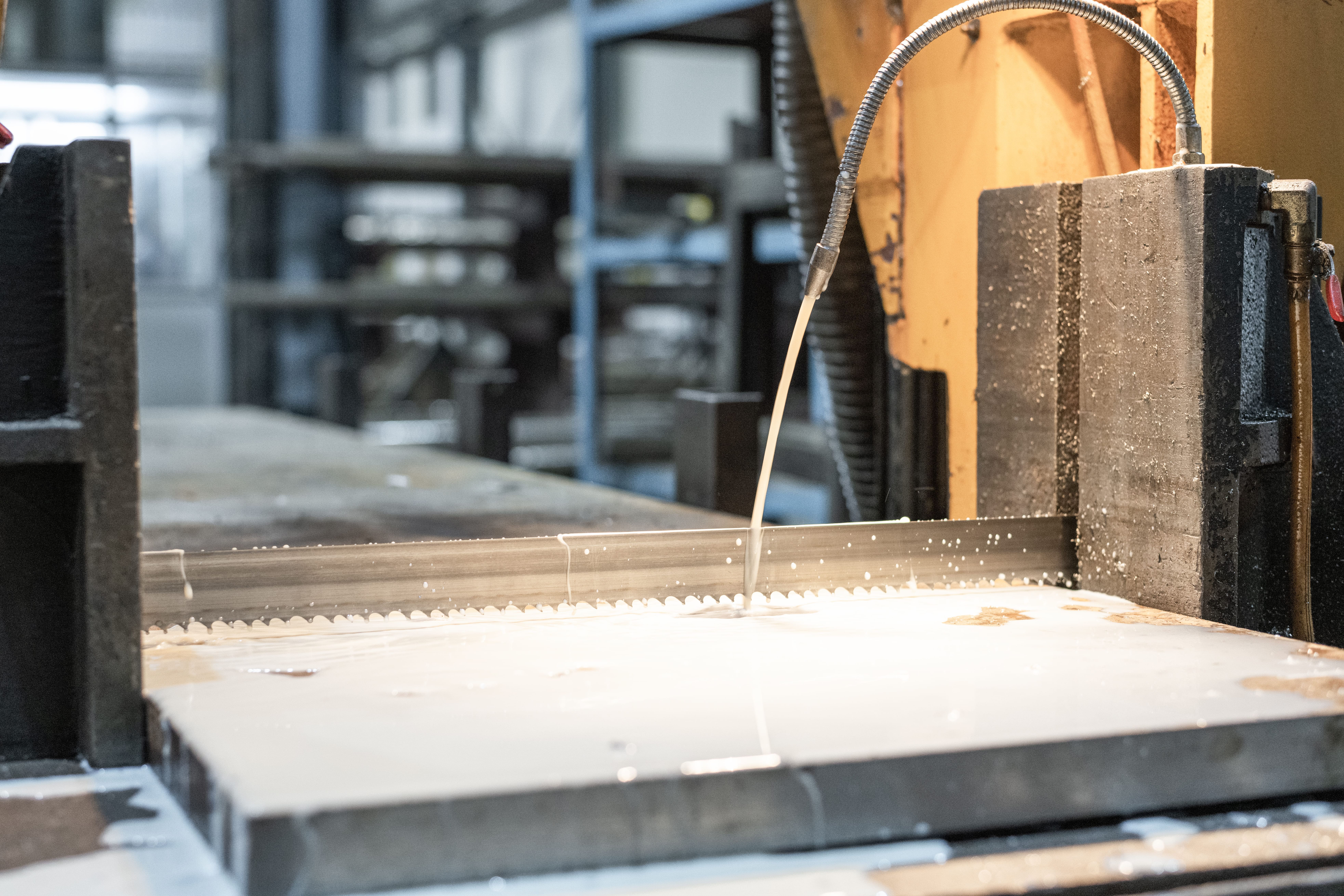
 Browse
All Capabilities
Browse
All Capabilities
CuttingPrecision cutting services at Sandeep Edgetech Steel Solutions are designed to meet the diverse needs of our clients. With state-of-the-art equipment and a skilled workforce, every cut is executed with accuracy and attention to detail. We specialize in various cutting techniques, including plasma, laser, and water jet cutting, which allows us to efficiently handle projects of any size. Our commitment to quality ensures that every piece adheres to strict industry standards, meeting the exact specifications required for your project.
Comprehensive support is provided throughout the entire process, from initial consultation to final delivery. Our experienced team collaborates closely with clients to understand specific requirements and offers expert advice on materials and cutting methods. Building lasting partnerships is a priority at Sandeep Edgetech, which is why we focus on exceptional service and reliable results. Whether you are a contractor, manufacturer, or an individual seeking high-quality steel solutions, our cutting services are designed to meet your needs and exceed your expectations.
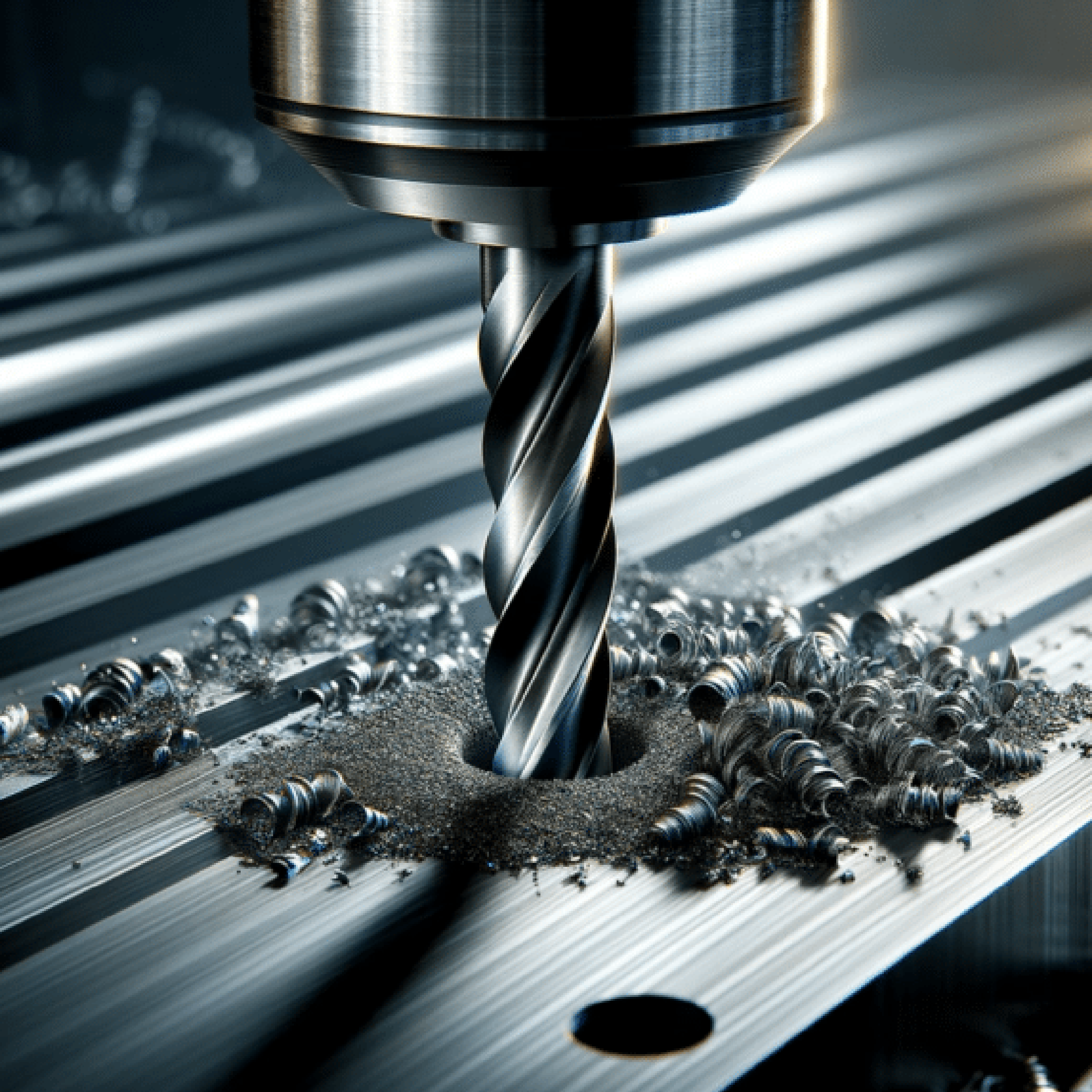
DrillingSandeep Edgetech Steel Solutions recognizes the critical role that precision drilling plays in the steel industry. Our state-of-the-art drilling services are designed to meet the diverse needs of our clients, ensuring accuracy and efficiency in every project. With a team of skilled professionals and advanced drilling technology, we provide tailored solutions for structural steel fabrication, custom steel components, and large-scale manufacturing. Committed to quality and safety, each drilling operation adheres to the highest industry standards, delivering results that meet and exceed expectations.
Customer satisfaction is our priority, and we work closely with clients to understand their unique challenges and objectives. Our drilling services are complemented by comprehensive support, including project management and timely delivery, ensuring seamless integration into your production processes. Sandeep Edgetech is dedicated to fostering long-term partnerships built on trust, reliability, and excellence in service. Choose us for your drilling needs, and experience the difference that expertise and innovation can bring to your steel solutions.
CustomCustom Components
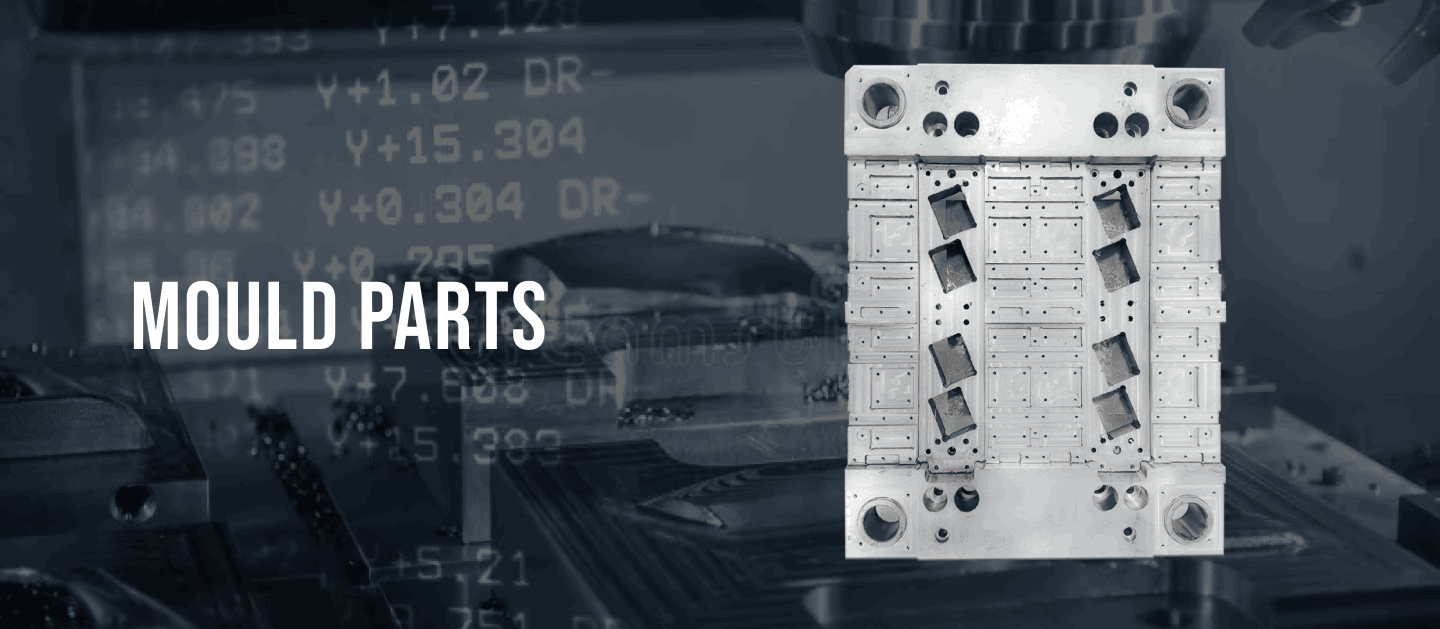
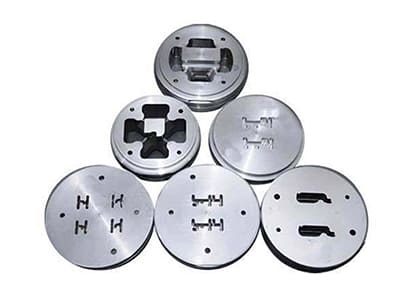
Sandeep Edgetech manufactures and supplies high-qualitymould parts designed for plastic injection moulds, die casting moulds, and precision tooling applications. Using premium-grade tool steel and advanced machining processes, we deliver mould components with excellent dimensional accuracy, wear resistance, and durability. Our custom-manufactured mould parts help improve mould performance, reduce maintenance, and ensure consistent production across automotive, packaging, medical, electronics, and consumer goods industries. With decades of experience in engineering materials and precision machining, we supply custom mould parts that help manufacturers improve productivity, reduce downtime, and extend mould life. Our advanced machining capabilities enable us to produce complex mould components according to customer drawings and technical specifications. Whether you require replacement mould parts, custom-designed components, or complete mould assemblies, Sandeep Edgetech delivers reliable solutions backed by technical expertise and consistent quality.
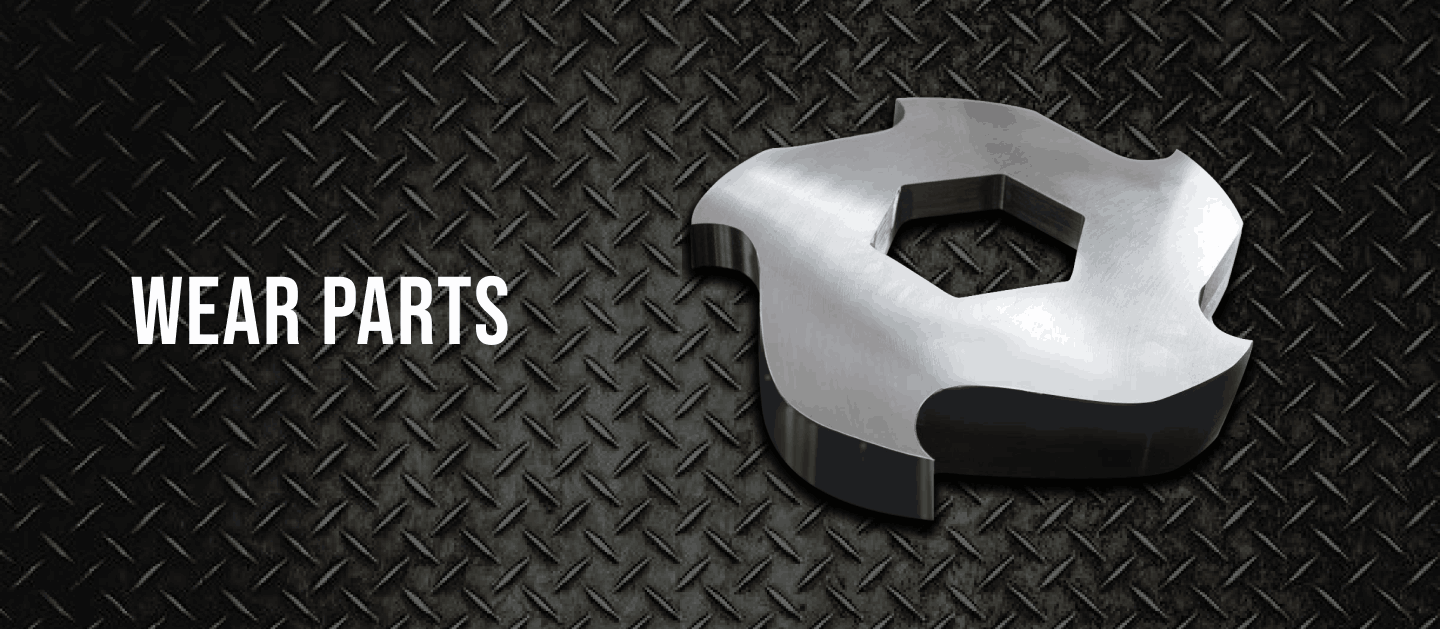
Durable Wear Parts Designed for Maximum Service Life Industrial wear parts operate under continuous abrasion, impact, pressure, and friction. At Sandeep Edgetech, we manufacture precision-engineered wear parts that help industries improve equipment reliability, reduce maintenance costs, and maximize operational efficiency. Using premium wear-resistant steels and advanced machining processes, we deliver components capable of performing in demanding environments across mining, cement, steel, power generation, recycling, agriculture, and heavy engineering sectors. Industrial wear parts operate under continuous abrasion, impact, pressure, and friction. Sandeep EdgeTech manufactures precision-engineered wear parts using premium wear-resistant steels, selected specifically for the wear conditions of your application mining, cement, steel, power generation, recycling, agriculture, and heavy engineering. Every wear part is machined from certified stock at our Delhi, Sonipat, Mumbai, or Chennai facilities, with the same ISO 9001:2015 traceability as our full steel catalogue. Tell us your operating environment and wear pattern, and we'll recommend the right grade rather than a one-size-fits-all solution.
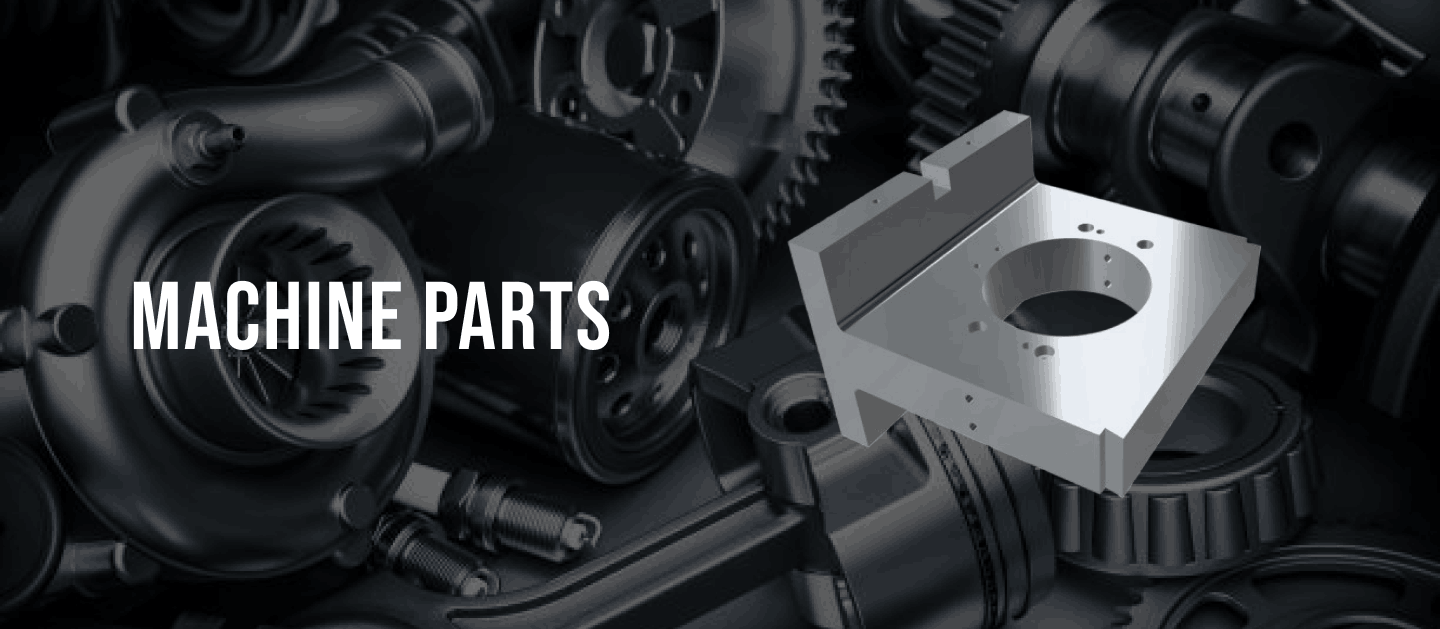
Custom Precision Machined Components for Industrial Applications Sandeep Edgetech specializes in manufacturing high-precision machined parts for customers requiring exceptional dimensional accuracy, repeatability, and superior surface finish. Our advanced machining capabilities enable us to produce complex engineering components for a wide range of industries. Whether you require prototypes, small production batches, or high-volume manufacturing, we provide customized machining solutions using premium engineering materials and modern CNC equipment. Sandeep EdgeTech's in-house machining capability, including 5-axis VMC, produces high-precision machined parts with tight tolerances and repeatable surface finish from prototypes and small batches to high-volume production runs. Every machined component starts from our own certified tool steel or aluminium stock, so material traceability is built in from raw billet to finished part. We work directly from customer drawings and technical specifications across automotive, construction, and general manufacturing applications.
Contact UsLet's start working

Head OfficeDelhiOffice & WarehouseSonipat (Haryana)Mumbai (Maharashtra)Chennai (Tamil Nadu)Sales NetworkNorthLudhiana (Punjab)Rohtak (Haryana)WestAhmedabad (Gujarat)Pune (Maharashtra)SouthHyderabad (Andhra Pradesh)Bengaluru (Karnataka)EastKolkata (West Bengal)
BlogBlog
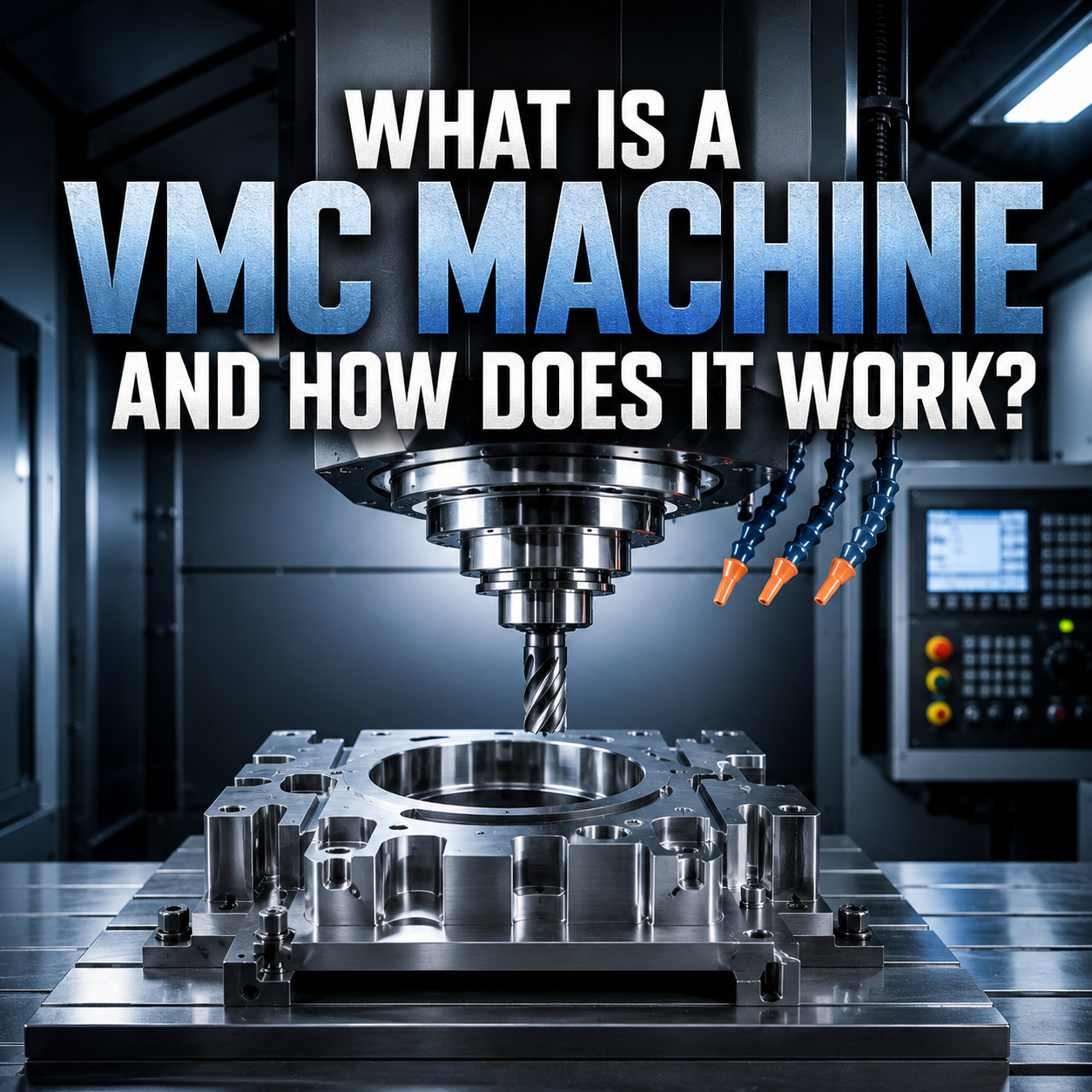
What Is a VMC Machine and How Does It Work?
Introduction Modern manufacturing demands high precision, faster production, and consistent quality. One of the most widely used machines that helps industries achieve these goals is the VMC machine, also known as a vertical machining centerFrom automotive parts to aerospace components and industrial moulds, VMC machines play a crucial role in precision machining. In this guide, we'll explain what a VMC machine is, how it works, its major components, advantages, and why selecting the right material is equally important for achieving the best machining results. What Is a VMC Machine? A Vertical Machining Center (VMC) is a CNC (Computer Numerical Control) machine where the spindle is positioned vertically. It is designed to perform multiple machining operations such as: Milling Drilling Boring Tapping Slotting Surface finishing The machine follows programmed instructions, allowing it to produce highly accurate components with minimal manual intervention. VMC machines are widely used because they combine speed, precision, and repeatability, making them ideal for both small-batch and mass production. Main Components of a VMC Machine A VMC machine consists of several important parts that work together to perform machining operations. Machine Bed The machine bed provides a rigid foundation that minimizes vibration during machining. Spindle The spindle holds and rotates the cutting tool at high speeds for accurate material removal. Work Table The workpiece is securely clamped on the table, which moves along different axes during machining. Automatic Tool Changer (ATC) The ATC automatically changes cutting tools, reducing downtime and improving productivity. CNC Controller The CNC controller reads programmed instructions and controls every movement of the machine with high accuracy. Coolant System The coolant system reduces heat generation, improves tool life, and provides a better surface finish. How Does a VMC Machine Work? A VMC machine operates using CNC programming that controls every movement of the cutting tool. The working process generally follows these steps: Step 1: The workpiece is fixed securely on the machine table. Step 2: A CAD/CAM-generated CNC program is loaded into the controller. Step 3: The spindle rotates the selected cutting tool at the required speed. Step 4: The machine automatically moves along the X, Y, and Z axes to remove material according to the programmed path. Step 5: If multiple operations are required, the Automatic Tool Changer replaces tools without manual intervention. Step 6: After machining is complete, the finished component is inspected for dimensional accuracy and surface quality. This automated process enables manufacturers to produce complex parts with excellent precision and consistency. Advantages of Using a VMC Machine VMC machines offer several advantages across different manufacturing industries. High machining accuracy Faster production cycles Excellent repeatability Reduced manual errors Better surface finish Automatic tool changing Capability to machine complex components Lower production costs in large-scale manufacturing Improved productivity and efficiency Common Industrial Applications VMC machines are widely used across numerous industries for manufacturing precision components. Some common applications include: Automotive components Plastic mould manufacturing Tool and die making Aerospace components Medical equipment Engineering industries Electronics manufacturing Industrial machinery parts Precision fixtures and jigs Factors to Consider Before Choosing a VMC Machine Selecting the right VMC machine depends on your production requirements. Consider the following factors: Machine size and table capacity Number of machining axes Spindle speed and power Tool magazine capacity CNC controller features Required machining accuracy Production volume Maintenance and service support Choosing the correct machine improves productivity and reduces operational costs over time. Why Material Selection Matters in VMC Machining Even the most advanced VMC machine cannot deliver optimal results if the material quality is poor. High-quality tool steel grades offer: Better machinability Longer tool life Improved dimensional stability Reduced machining defects Higher production efficiency Superior finished surface quality For industries involved in mould making, die manufacturing, and precision engineering, selecting premium-grade tool steel is just as important as choosing the right machining equipment. Conclusion A VMC machine has become one of the most essential manufacturing solutions for industries requiring precision, speed, and efficiency. Its ability to perform multiple machining operations with minimal human intervention makes it indispensable in modern production environments. However, achieving the best machining performance depends not only on the machine itself but also on using the right materials. High-quality tool steel helps improve machining accuracy, extend tool life, and enhance overall productivity. By combining advanced VMC technology with premium industrial steel, manufacturers can consistently produce reliable, high-quality components while reducing downtime and operational costs.
Read More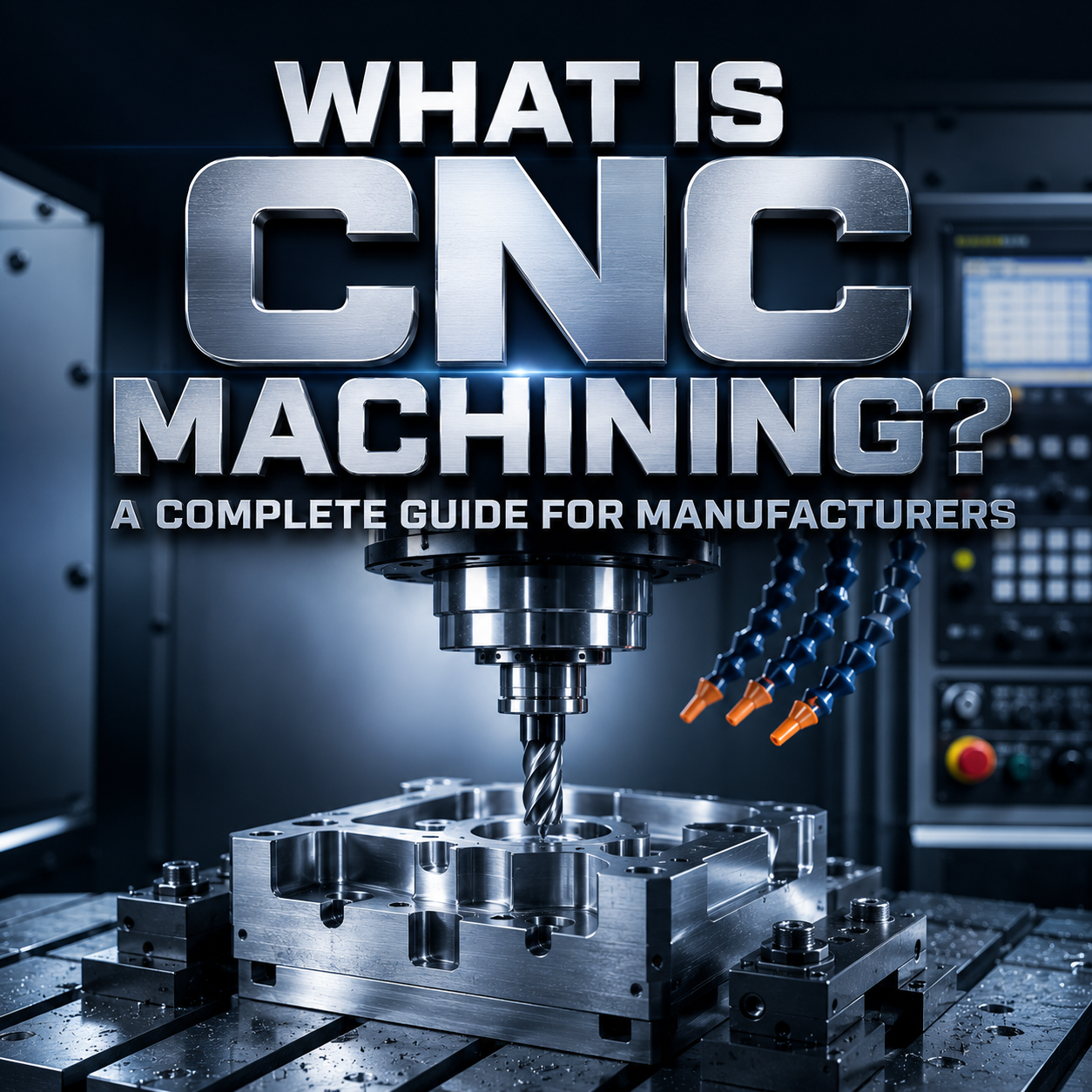
What Is CNC Machining? Process, Types, Applications & Materials
Introduction In today's competitive manufacturing industry, precision, speed, and consistency are essential for producing high-quality components. One technology that has transformed modern manufacturing is CNC machining. From automotive and aerospace to medical equipment and industrial tooling, CNC machines are widely used to manufacture complex parts with exceptional accuracy. Whether you're new to CNC manufacturing or looking to improve your production process, understanding how CNC machining works can help you make better decisions for your business. This guide explains the CNC machining process, its benefits, applications, and why selecting the right material is just as important as choosing the right machine. What Is CNC Machining? CNC (Computer Numerical Control) machining is an advanced manufacturing process in which computer-controlled machines remove material from a workpiece to produce highly accurate parts. Unlike conventional machining, CNC machines operate using programmed instructions, allowing manufacturers to produce identical components repeatedly with minimal human intervention. Common materials used in CNC machining include: Tool Steel Stainless Steel Mild Steel Aluminium Brass Copper Titanium Engineering Plastics How CNC Machining Works The CNC machining process follows a series of automated steps that ensure precision and consistency. Step 1: Design Creation Engineers create a 2D or 3D model using CAD (Computer-Aided Design) software. Step 2: CAM Programming The CAD design is converted into machine-readable instructions using CAM (Computer-Aided Manufacturing) software. Step 3: Machine Setup The workpiece is securely clamped, and the required cutting tools are installed in the CNC machine. Step 4: Machining Process The CNC controller directs the machine to perform operations such as milling, drilling, turning, boring, and tapping according to the programmed tool path. Step 5: Quality Inspection After machining, the finished component is inspected to ensure it meets dimensional and quality requirements. Main Types of CNC Machines Different CNC machines are designed for specific manufacturing applications. CNC Milling Machine Used for cutting, slotting, drilling, contouring, and creating complex shapes. CNC Turning Machine Ideal for producing cylindrical components by rotating the workpiece while the cutting tool removes material. CNC VMC (Vertical Machining Center) A widely used machine where the spindle is vertically mounted, offering high precision for moulds, dies, and engineering components. CNC Horizontal Machining Center (HMC) Suitable for heavy-duty machining and large production runs with improved chip evacuation. 5-Axis CNC Machine Capable of machining complex geometries in a single setup, making it ideal for aerospace, medical, and precision engineering applications. Common CNC Machining Operations CNC machines can perform multiple machining operations on a single workpiece. These include: Milling Turning Drilling Boring Reaming Tapping Thread Milling Surface Profiling Engraving Combining these operations in one setup reduces production time and improves accuracy. Advantages of CNC Machining CNC machining offers several advantages that make it the preferred choice for modern manufacturers. High precision and accuracy Excellent repeatability Faster production cycles Reduced human error Capability to machine complex parts Better surface finish Lower material wastage Increased productivity Consistent product quality Suitable for both prototype and mass production Industries That Use CNC Machining CNC machining is widely used across numerous industries because of its versatility and precision. Some major industries include: Automotive Aerospace Tool and Die Manufacturing Plastic Mould Manufacturing Medical Equipment Electronics Oil and Gas Defence Heavy Engineering Industrial Machinery Choosing the Right Material for CNC Machining The performance of CNC machining depends not only on the machine but also on the quality of the material being machined. When selecting materials, manufacturers should consider: Machinability Hardness Wear resistance Toughness Heat resistance Dimensional stability Surface finish requirements Production volume Choosing the right material helps improve machining efficiency while extending cutting tool life. Conclusion CNC machining has become the backbone of modern manufacturing by delivering unmatched precision, consistency, and efficiency. Whether producing simple components or highly complex parts, CNC technology enables manufacturers to improve productivity while maintaining exceptional quality standards. However, even the most advanced CNC machine performs best when paired with high-quality materials. Selecting premium tool steel not only enhances machining performance but also extends tool life, reduces maintenance, and improves overall manufacturing efficiency. By combining advanced CNC technology with reliable industrial-grade steel, manufacturers can consistently achieve superior results and long-term operational success.
Read More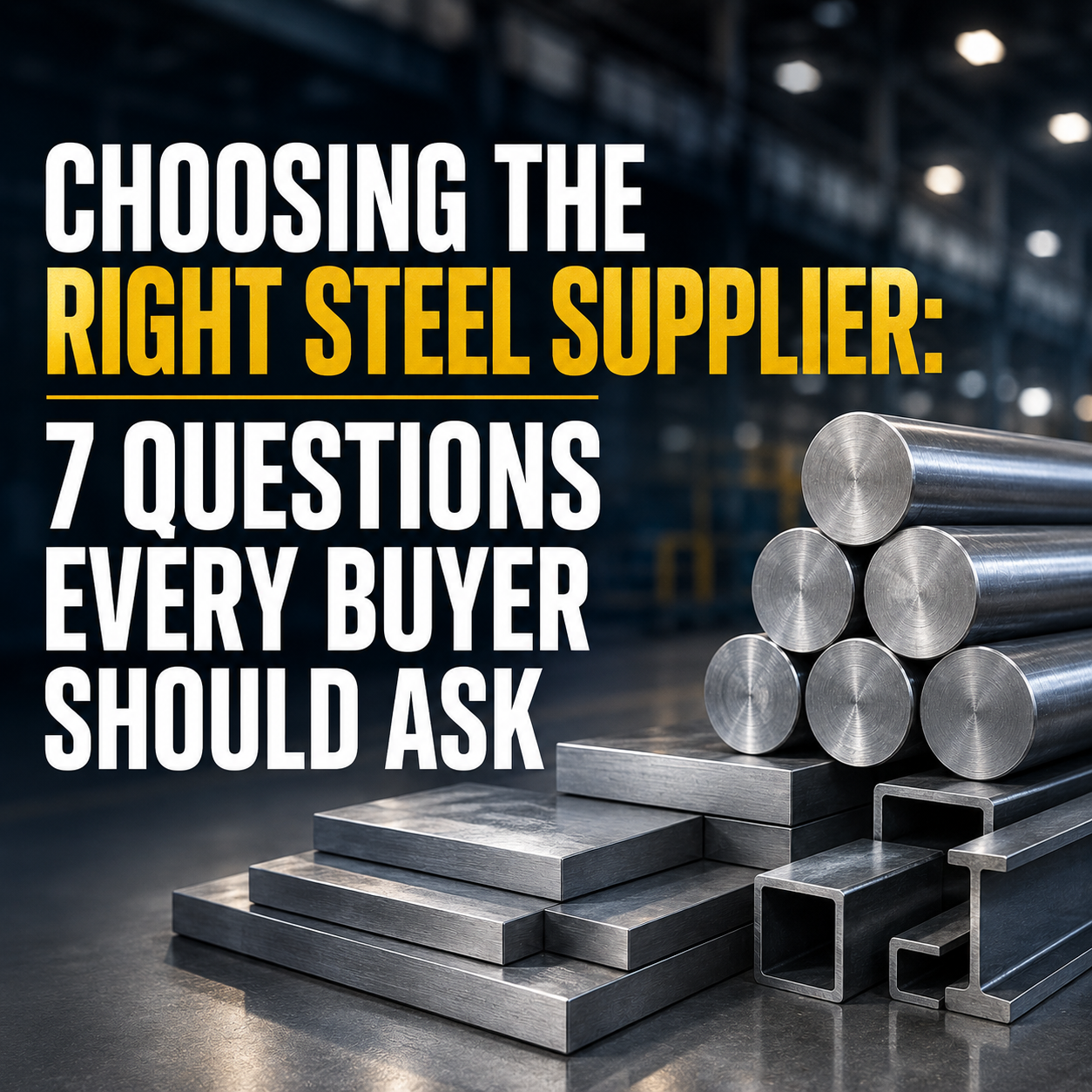
Choosing the Right Steel Supplier: 7 Questions Every Buyer Should Ask
Introduction Choosing the right steel supplier is an important decision for manufacturers, tool makers, mould manufacturers, and engineering companies. The quality and consistency of steel can directly affect machining performance, tool life, production efficiency, and the quality of the finished component. With many suppliers available in the market, buyers should look beyond price when selecting a steel supplier. Material certification, stock availability, technical support, processing facilities, delivery capability, and after-sales service are all important factors. Whether you require tool steel, mould plates, or specialty grades such as asp23 steel, asking the right questions before placing an order can help reduce production delays and material-related issues. Here are seven key questions every industrial buyer should ask. 1. Can You Provide Material Certification? Material certification is one of the first things buyers should check before purchasing industrial steel. A reliable supplier should be able to provide relevant documentation such as: Material Test Certificates (MTC) Chemical composition Mechanical properties Heat treatment details, where applicable Grade and specification information Heat or batch number for traceability Proper certification helps buyers verify that the supplied material meets the required specifications. For applications involving tool and die steel, certification becomes particularly important because material properties can directly influence hardness, wear resistance, machinability, and tool performance. 2. Do You Maintain Sufficient Stock Availability? Stock availability can have a major impact on production schedules. Even if a supplier offers the required grade, delays can occur if the material is not readily available. Before selecting a supplier, buyers should ask: Which grades are regularly available? What sizes and dimensions are stocked? Can the supplier handle bulk requirements? How quickly can additional material be arranged? Are customized sizes available? For example, manufacturers working with asp23 steel may require specific dimensions and quantities for precision tooling applications. Reliable stock availability can help reduce procurement lead times and prevent unnecessary production interruptions. A supplier with a broad inventory can also provide greater flexibility when manufacturers have changing material requirements. 3. Do You Provide Technical Support? Steel selection is not always straightforward. Different applications require different combinations of hardness, toughness, wear resistance, heat resistance, and machinability. A knowledgeable supplier should be able to provide guidance regarding: Grade selection Application suitability Hardness requirements Machinability Heat treatment Wear resistance Toughness For example, the requirements for a cutting tool may be different from those of a plastic mould or forging die. Similarly, buyers may need technical guidance when selecting asp30 material for demanding tooling applications. Working with experienced tool steel manufacturers can help buyers select materials based on actual application requirements rather than simply choosing the lowest-priced option. 4. What Processing Facilities Do You Offer? Many manufacturers do not require steel in standard stock dimensions. They may need material cut, ground, or processed according to specific requirements. Before placing an order, buyers should ask about available processing services, such as: Cutting Sawing Grinding Milling Surface finishing Customized sizing Plate processing For mould and die manufacturers, accurately processed mould plates can reduce the amount of additional machining required at the customer's facility. Good processing capabilities can save machining time, reduce material wastage, and make the supplied material easier to use in production. 5. Can You Meet My Delivery Requirements? Timely delivery is critical for modern manufacturing. A delay in steel supply can affect machining schedules, production targets, and customer commitments. Before choosing a supplier, ask about: Standard delivery timelines Bulk-order handling Transportation arrangements Delivery locations Order tracking Urgent requirements Repeat-order support A dependable supplier should have an organized supply chain and the capacity to manage both regular and large-volume requirements. For specialized grades and specifications, buyers should also confirm availability and expected delivery timelines before finalizing the purchase. 6. What After-Sales Service Do You Provide? The relationship with a steel supplier should not end after the material reaches your facility. Good after-sales support can be valuable when buyers have questions regarding material specifications, documentation, processing, or future requirements. A reliable supplier should ideally provide support for: Material-related queries Documentation requirements Quality concerns Technical questions Replacement or resolution of verified issues Repeat orders Future material requirements Strong after-sales service builds confidence and helps manufacturers develop long-term relationships with their suppliers. 7. Can You Support Long-Term Industrial Requirements? For manufacturers with regular steel requirements, it is important to choose a supplier capable of supporting long-term procurement needs. Instead of evaluating a supplier only on a single order, buyers should consider: Product range Inventory capacity Quality consistency Processing capabilities Technical expertise Delivery performance Ability to handle growing requirements A supplier with experience in specialty grades and industrial applications can provide better continuity for manufacturers. For example, buyers requiring grades such as 1.2378+hqt or researching the 1.2344 steel equivalent may need a supplier with sufficient technical knowledge and material availability to support their ongoing requirements. Why Choosing the Right Supplier Matters The right steel supplier can contribute significantly to manufacturing efficiency. Consistent material quality helps manufacturers maintain predictable machining performance, while reliable stock and delivery reduce production interruptions. For businesses working with tool and die applications, partnering with experienced tool steel manufacturers can also provide access to technical expertise, multiple grades, and processing solutions under one supply chain. This makes supplier selection an important part of overall production planning rather than simply a purchasing decision. Why Choose Sandeep Edgetech? Sandeep Edgetech Limited is an experienced supplier of industrial and specialty steel solutions, serving manufacturers and engineering industries with a wide range of steel grades and processing requirements. The company focuses on material quality, stock availability, processing support, and reliable customer service to meet diverse industrial requirements. From specialty tool steels such as asp23 steel and asp30 material to various tool and mould steel requirements, choosing an experienced supplier can help manufacturers source the right material for their applications. Conclusion Choosing the right steel supplier requires more than comparing prices. Buyers should evaluate material certification, stock availability, technical expertise, processing facilities, delivery capability, and after-sales support before making a decision. Whether you require tool and die steel, mould plates, or specialized grades such as 1.2378+hqt, the right supplier can help improve procurement efficiency and ensure consistent material quality. By asking these seven questions, manufacturers can make a more informed decision and build a reliable, long-term relationship with a supplier that understands their industrial requirements.
Read More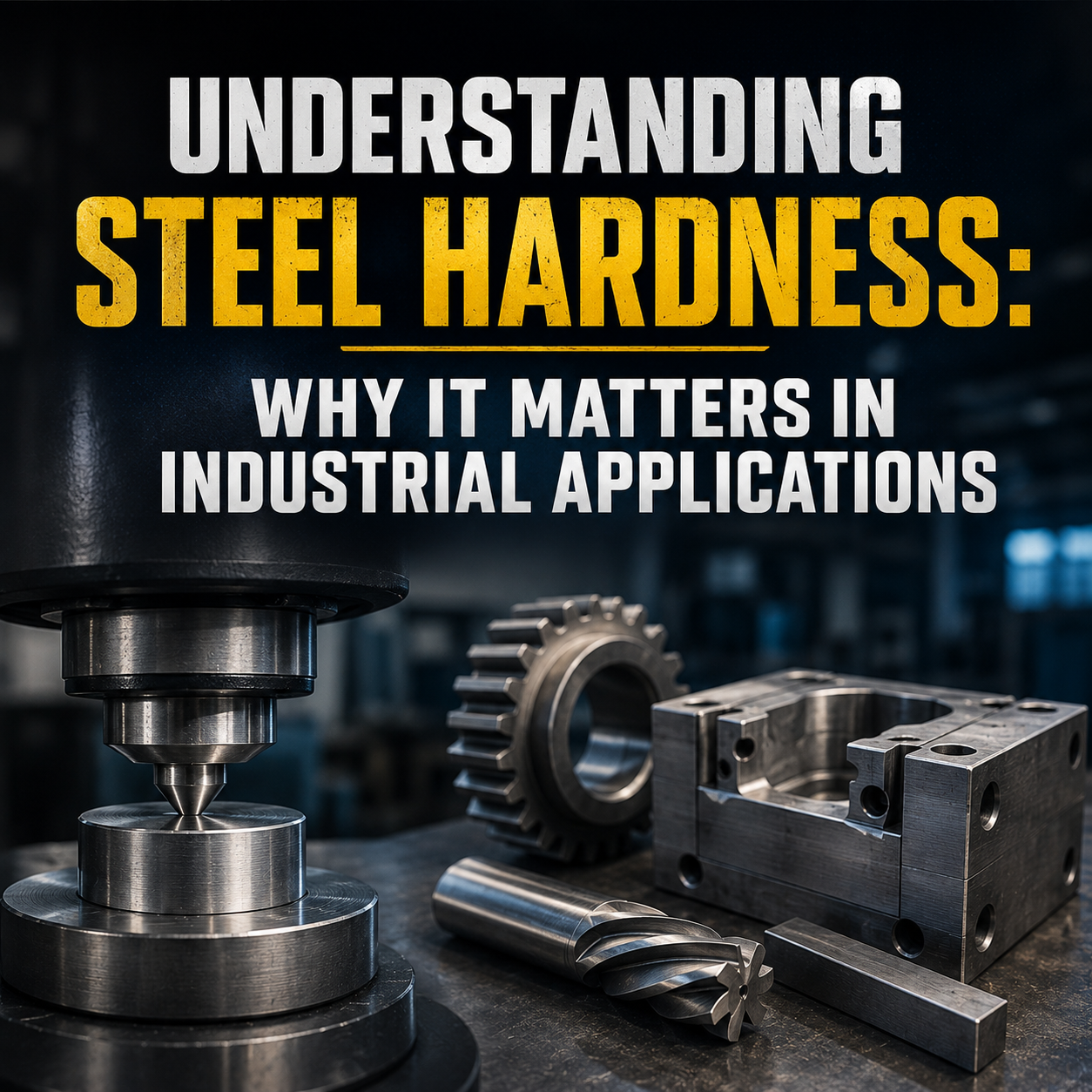
Understanding Steel Hardness: Why It Matters in Industrial Applications
Introduction In industrial manufacturing, selecting the right steel grade is essential for achieving reliable performance, longer tool life, and consistent production quality. One of the most important properties buyers and engineers consider while choosing a material is steel hardness. Hardness directly affects a materials ability to resist wear, deformation, scratching, and surface damage. Whether it is tool and die manufacturing, mould making, machining, forging, or heavy engineering, understanding the hardness of tool steel helps manufacturers choose the right material for specific applications. Steel that is too soft may wear out quickly, while steel that is too hard may become brittle and prone to cracking. Therefore, achieving the correct balance between hardness and toughness is critical for industrial success. In this guide, we explain what steel hardness means, how it is measured, and why it matters in different industrial applications. What is Hardness? Hardness is the ability of a material to resist: Indentation Abrasion Wear Scratching Permanent deformation In simple terms, harder steel can maintain its shape and cutting performance under high loads and repeated use. The hardness of tool steel is particularly important because industrial tools, dies, moulds, punches, and cutting components operate under demanding conditions. Several factors influence steel hardness, including: Carbon content Alloy composition Heat treatment process Tempering conditions Cooling method Elements such as chromium, molybdenum, vanadium, tungsten, and cobalt are often added to improve hardness and wear resistance. Hardness Testing Methods Different methods are used to measure the hardness of steel depending on the material type and application. 1. Rockwell Hardness Test (HRC) The Rockwell test is one of the most widely used methods for measuring hardened steel. The result is expressed as HRC steel, where HRC stands for Rockwell Hardness Scale C. Examples: HRC 2030: Mildly hardened steel HRC 3545: Medium hardness applications HRC 5065: Tool steel and wear-resistant applications The Rockwell method is popular because it is quick, reliable, and widely accepted in industrial applications. 2. Brinell Hardness Test (HB) The Brinell test uses a hardened ball to measure the indentation on the steel surface. This method is commonly used for: Structural steel Cast materials Larger components 3. Vickers Hardness Test (HV) The Vickers method uses a diamond-shaped indenter and is suitable for: Thin materials Small components Surface hardness testing It is often used when high measurement accuracy is required. Hardness vs Toughness Many people assume that harder steel is always better, but hardness and toughness are two different properties. Hardness Hardness refers to resistance against wear, indentation, and deformation. Toughness Toughness refers to a materials ability to absorb impact without cracking or breaking. A steel grade with very high hardness may offer excellent wear resistance but could become brittle if toughness is insufficient. For example: Cutting tools require high hardness. Forging dies require a balance between hardness and toughness. Impact tools need higher toughness. Choosing the right balance is essential for improving performance and extending tool life. Recommended Hardness for Different Applications Different industrial applications require different hardness levels. Application Recommended Hardness Plastic Mould Steel 2840 HRC Cold Work Tool Steel 5862 HRC Hot Work Tool Steel 4452 HRC High-Speed Steel 6268 HRC Punches and Dies 5662 HRC Wear-Resistant Components 5060 HRC General Engineering Components 2540 HRC Selecting the correct HRC steel range helps manufacturers improve: Wear resistance Tool life Machining performance Surface finish Productivity Production consistency Why Steel Hardness Matters in Industrial Applications Proper steel hardness offers several benefits: Improved wear resistance Longer tool life Better dimensional stability Higher productivity Reduced maintenance costs Consistent machining performance Improved product quality For industries such as automotive, aerospace, mould making, die manufacturing, and heavy engineering, selecting the correct hardness level is critical for reliable performance. Conclusion Understanding steel hardness is essential for selecting the right material for industrial applications. The correct hardness of tool steel helps improve wear resistance, extend tool life, and maintain consistent production quality. However, hardness alone should not be the only consideration. Manufacturers must also evaluate toughness, machinability, heat resistance, and application requirements to achieve the best results. By selecting the right HRC steel and working with an experienced steel supplier, industries can improve efficiency, reduce downtime, and achieve better overall manufacturing performance.
Read MoreOur Partners








Testimonials
 Ravi NaikSandeep EdgeTech consistently delivers top-quality steel solutions. Their exceptional service and vast inventory make them our trusted partner for all our steel needs.
 Rohan GoelWorking with Sandeep EdgeTech has been a seamless experience. Their superior steel products and dependable service have made them a cornerstone in our supply chain.
 Tanuj JainWe rely on Sandeep EdgeTech for their consistent supply of top-grade steel. Their professionalism and commitment to excellence have made them a crucial part of our business.
 Anushka SharmaSandeep EdgeTech has become our trusted steel supplier, thanks to their exceptional product quality and reliable service. Their dedication to meeting our needs has set them apart in the industry.